
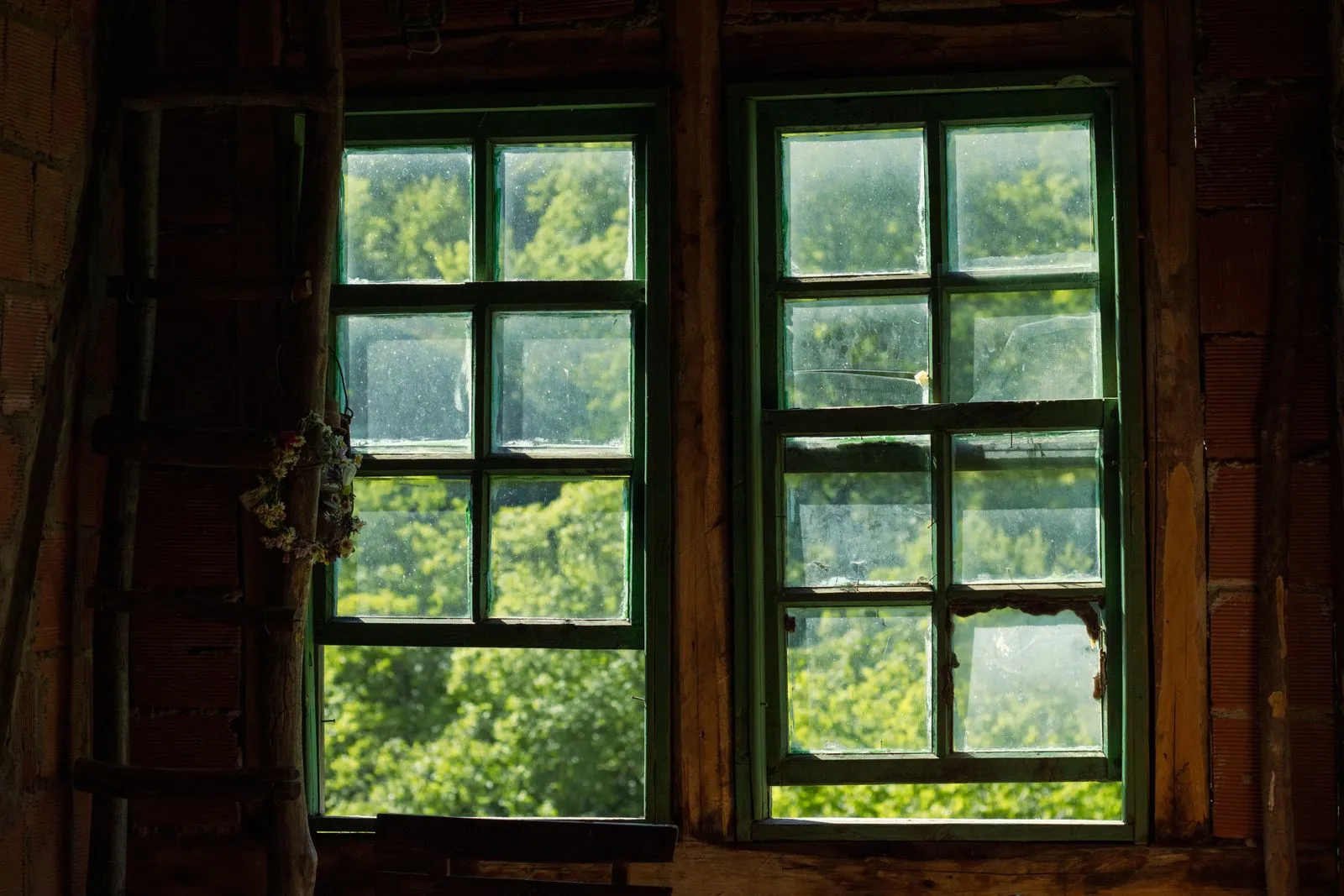
Humidity puts wood windows under steady pressure. Moisture can linger on frames, wear down paint or stain, and make sashes harder to open. Regular checks help you spot small changes before they affect operation or allow water to reach the wood. Inspect windows seasonally and after severe storms, then address dirt, damaged finishes, or drainage problems promptly. The right approach is gentle: keep surfaces clean and dry, use products suited to the existing finish, and avoid sealing moisture inside.
Inspect Frames and Sills
Look over the interior and exterior of each window every few months. Check the lower corners, sill, joints, and areas where the frame meets the wall. These spots can collect water or show wear first. Look for soft or discolored wood, gaps, cracked caulk, loose trim, and paint or stain that is lifting. Check after heavy rain as well, when leaks and standing water may be easier to identify.
Open and close each sash slowly. A window that suddenly sticks, feels unusually loose, or will not latch may have a swollen frame, worn hardware, or a change in alignment. Do not force it; that can damage the sash or lock. Note which window is affected and whether the problem changes with weather. If you find dampness indoors, trace its path before applying sealant, since a blocked drainage route can make moisture problems worse.
Keep Surfaces Clean and Dry
Remove dust and loose debris with a soft brush or cloth, especially from tracks, corners, and the sill. Clean finished wood with a damp, well-wrung cloth and a mild cleaner appropriate for the coating. Avoid soaking the frame, abrasive pads, and harsh chemicals that can scratch or strip the finish. Dry the surface afterward, including corners where water can remain unnoticed.
Keep weep openings and drainage channels clear so water can escape as designed. Use a small soft brush to remove debris; do not push tools deep into the frame or block openings with caulk. Indoors, use kitchen and bathroom exhaust fans to limit excess moisture, and wipe condensation from glass and nearby wood. These habits reduce prolonged dampness without trapping water inside the window assembly.
Maintain the Finish
Paint and stain protect wood from moisture and sun exposure, but both need periodic attention. Examine the finish for hairline cracks, peeling, bare patches, or dull areas where the coating has worn thin. Pay particular attention to exposed edges and horizontal surfaces that shed water slowly. Follow the coating manufacturer’s guidance for cleaning and reapplication rather than waiting until large areas of wood are exposed.
Before refinishing, make sure the wood is dry and the cause of moisture has been addressed. Prepare and coat only as directed for the existing finish, and avoid painting over hardware, weatherstripping, or drainage openings. If you are unsure whether the coating is failing or the wood itself is damaged, ask a qualified window professional to assess it before sanding or applying a new product.
Know When to Get Help
A small finish blemish is different from recurring water intrusion or deteriorating wood. Arrange an assessment if you find soft spots, persistent swelling, deep cracks, visible rot, recurring indoor leaks, or a sash that remains difficult to operate after the area is clean and dry. Condensation between panes can also indicate an issue with the insulated glass unit rather than the wood frame.
For a useful service visit, note when the problem appears, take clear photos, and identify any recent storm or finish work. Avoid filling suspected rot or covering a leak before its source is understood. Coastal Wood Windows helps Miami homeowners assess wood window concerns and plan appropriate repairs or upkeep.
A consistent routine—inspect, clean, dry, and maintain the finish—helps wood windows stand up to humid weather. Respond to changes early, especially recurring moisture, soft wood, or difficult operation. If a problem persists or you are uncertain about the right repair, contact a qualified window professional to discuss the next step.